Osteoporosis often develops silently until fractures or mobility issues appear. At Great Plains Endocrinology & Diabetes Care, Dr. Azra Niaz provides personalized osteoporosis treatment and bone health care focused on early detection, fracture prevention, and long-term mobility for patients in Ballwin, St. Louis, and surrounding Missouri communities.
Osteoporosis is often called a silent disease because bone loss can occur without noticeable symptoms.
WHAT IS OSTEOPOROSIS?
Understanding Osteoporosis
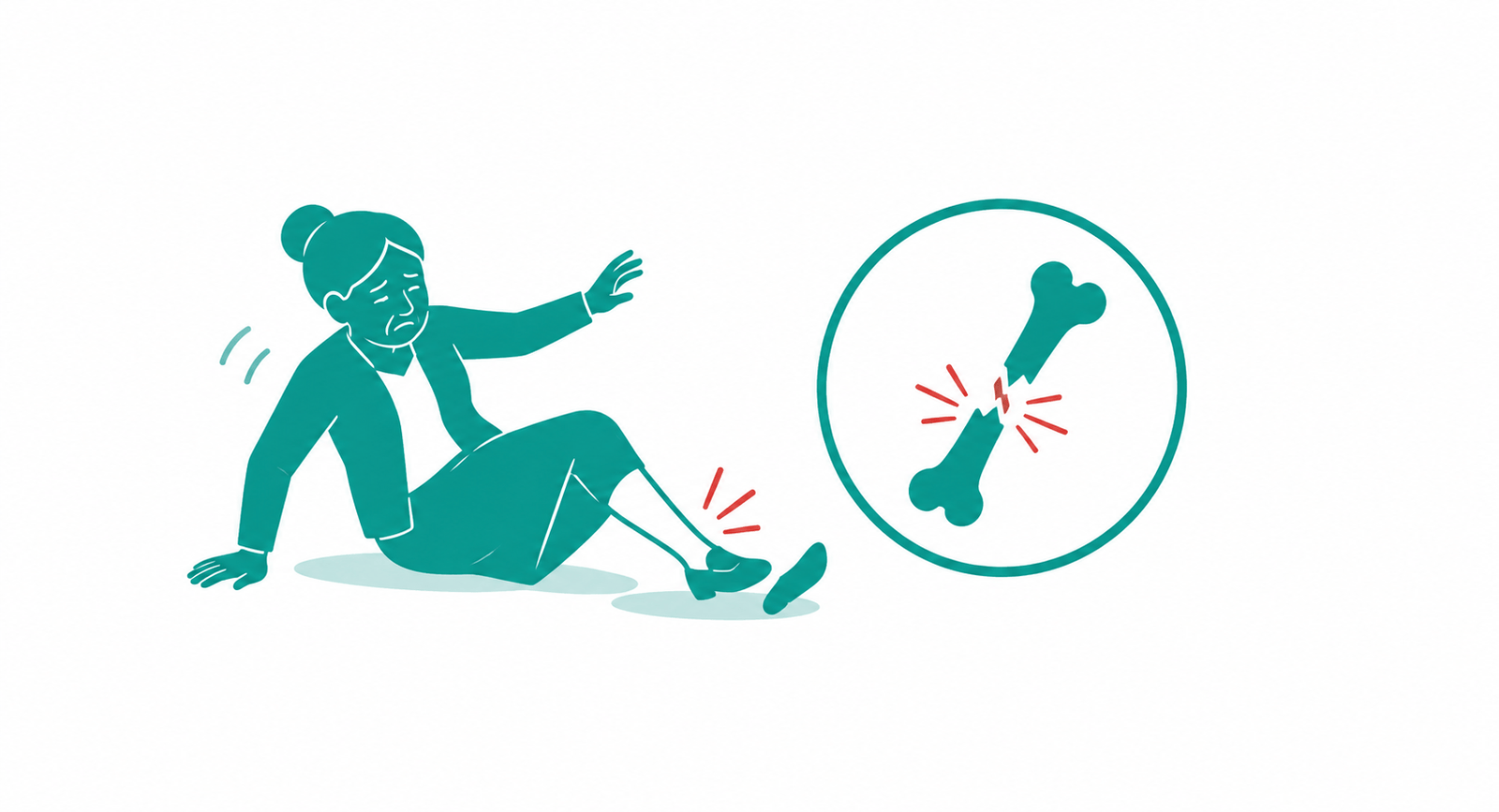
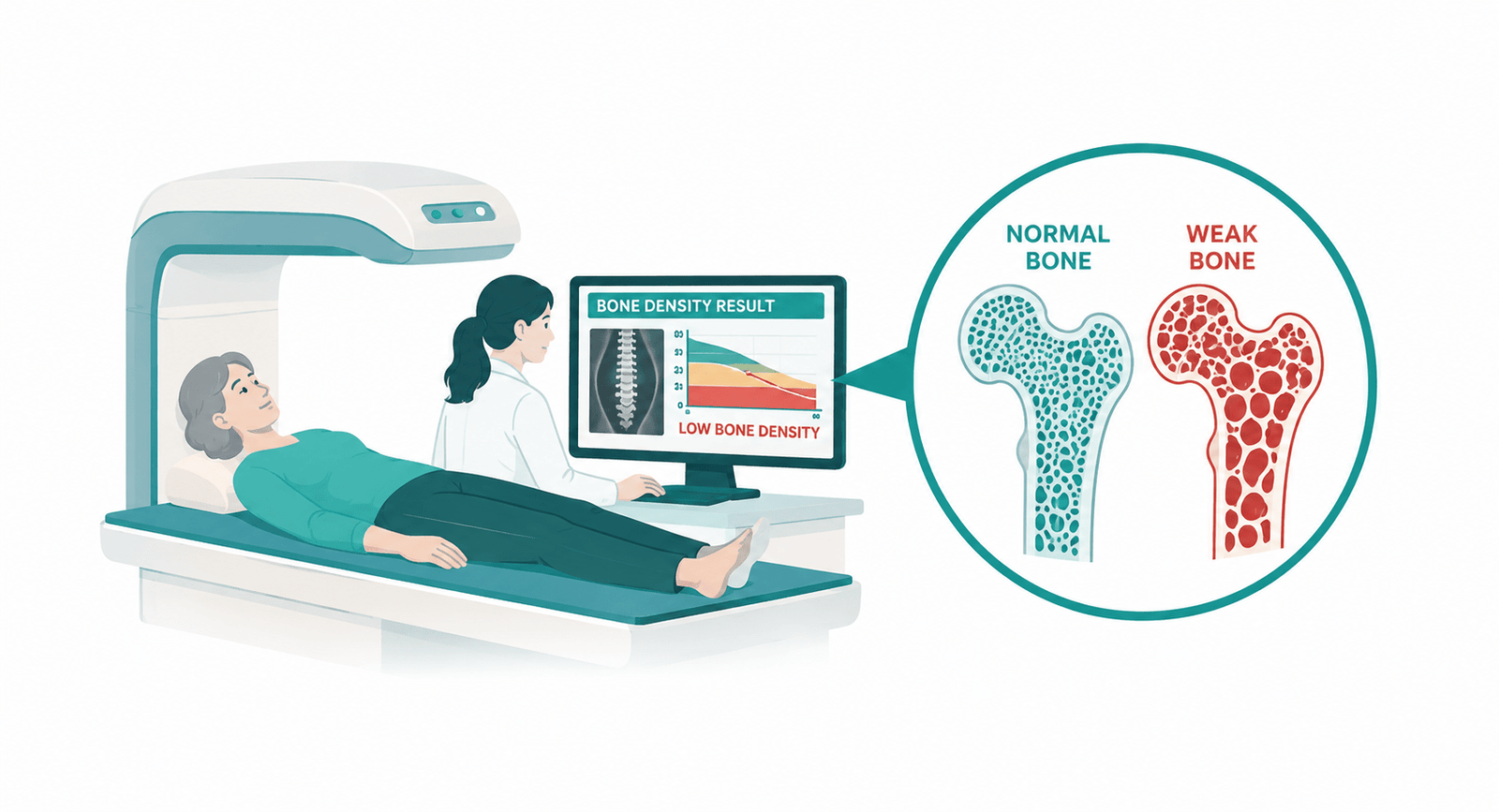
Osteoporosis is a condition that causes bones to become weak and fragile over time. As bone density decreases, the risk of fractures increases, especially in the hips, spine, and wrists. Many patients do not realize they have osteoporosis until a fracture or injury occurs.
Although osteoporosis is more common in older adults and postmenopausal women, anyone can experience low bone density and bone loss. Early osteoporosis screening and proactive care can help identify problems before serious complications develop.
Do You Have These Symptoms?
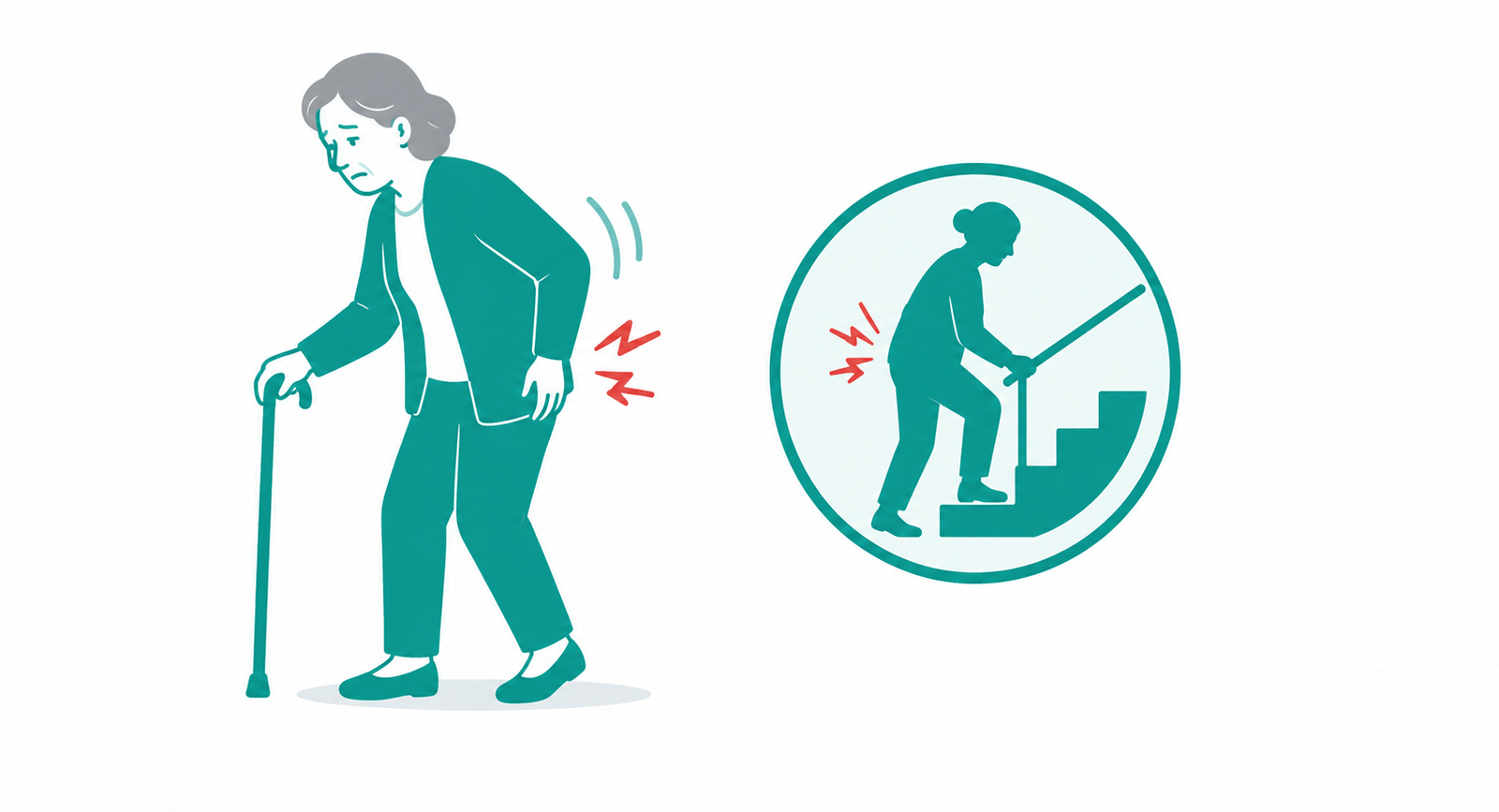
Osteoporosis symptoms may appear gradually as bones become weaker over time. Common warning signs may include:
Osteoporosis is often called a silent disease because bone loss can progress without symptoms. Early osteoporosis evaluation and bone density testing allow timely intervention, helping reduce fracture risk, preserve mobility, and support long-term bone health. Dr. Azra Niaz and the team at Great Plains Endocrinology & Diabetes Care provide comprehensive osteoporosis care for patients throughout Ballwin, St. Louis, and surrounding Missouri communities.
Who Is At Risk For Osteoporosis?
Certain factors may increase the risk of developing osteoporosis and low bone density. Understanding your risk factors early can help support stronger bones and long-term health.
Aging & MenopauseBone density naturally decreases with age, especially after menopause.
Family HistoryA family history of osteoporosis or fractures may increase your risk.
Low Calcium or Vitamin DPoor nutrition can weaken bones and affect bone strength over time.
Hormonal DisordersEndocrine conditions affecting hormones may contribute to bone loss and osteoporosis.
Smoking & Alcohol UseSmoking and excessive alcohol use may negatively impact bone health.
Lack of Physical ActivityLimited movement and inactivity can contribute to weaker bones and reduced mobility.
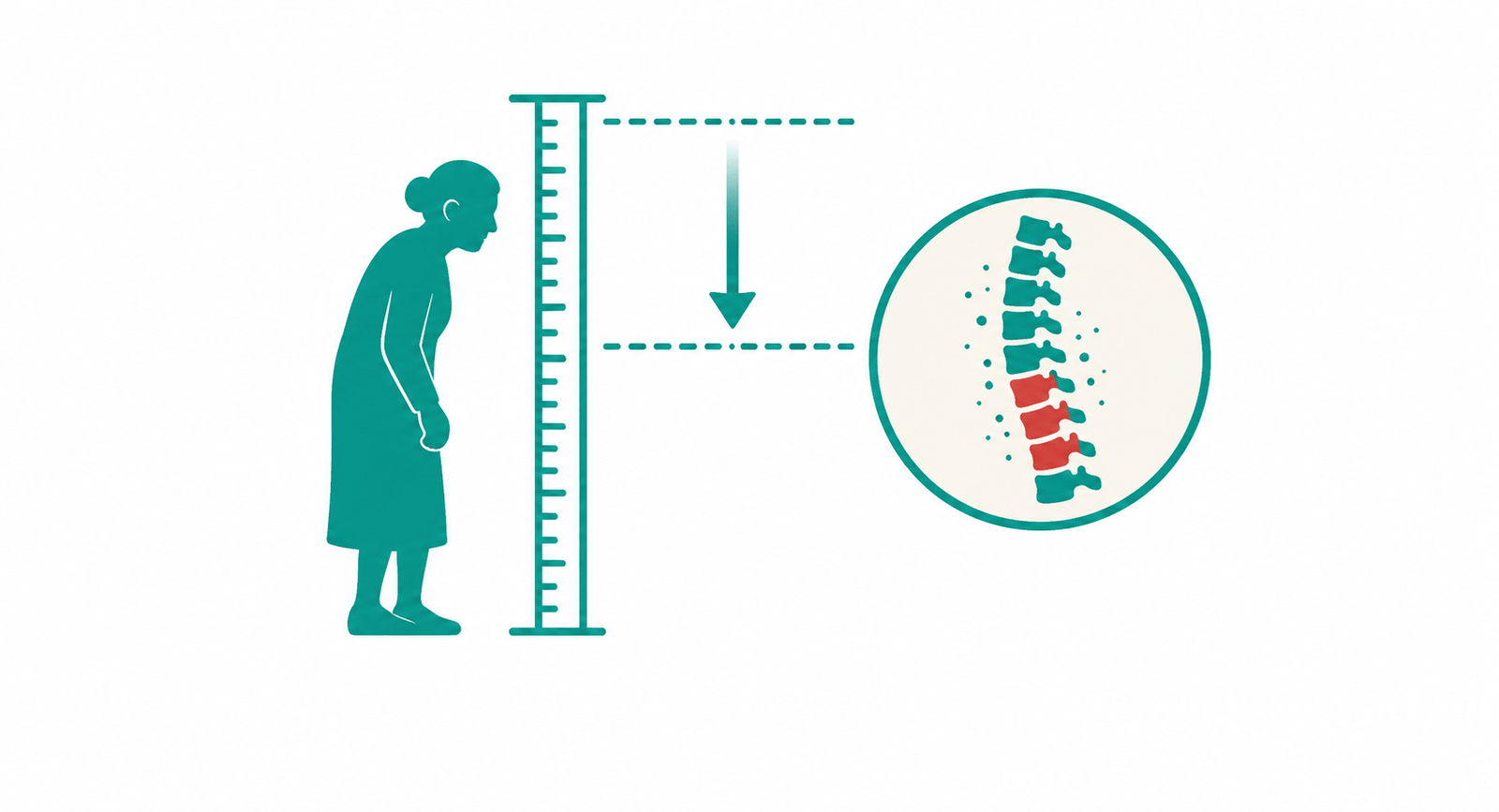
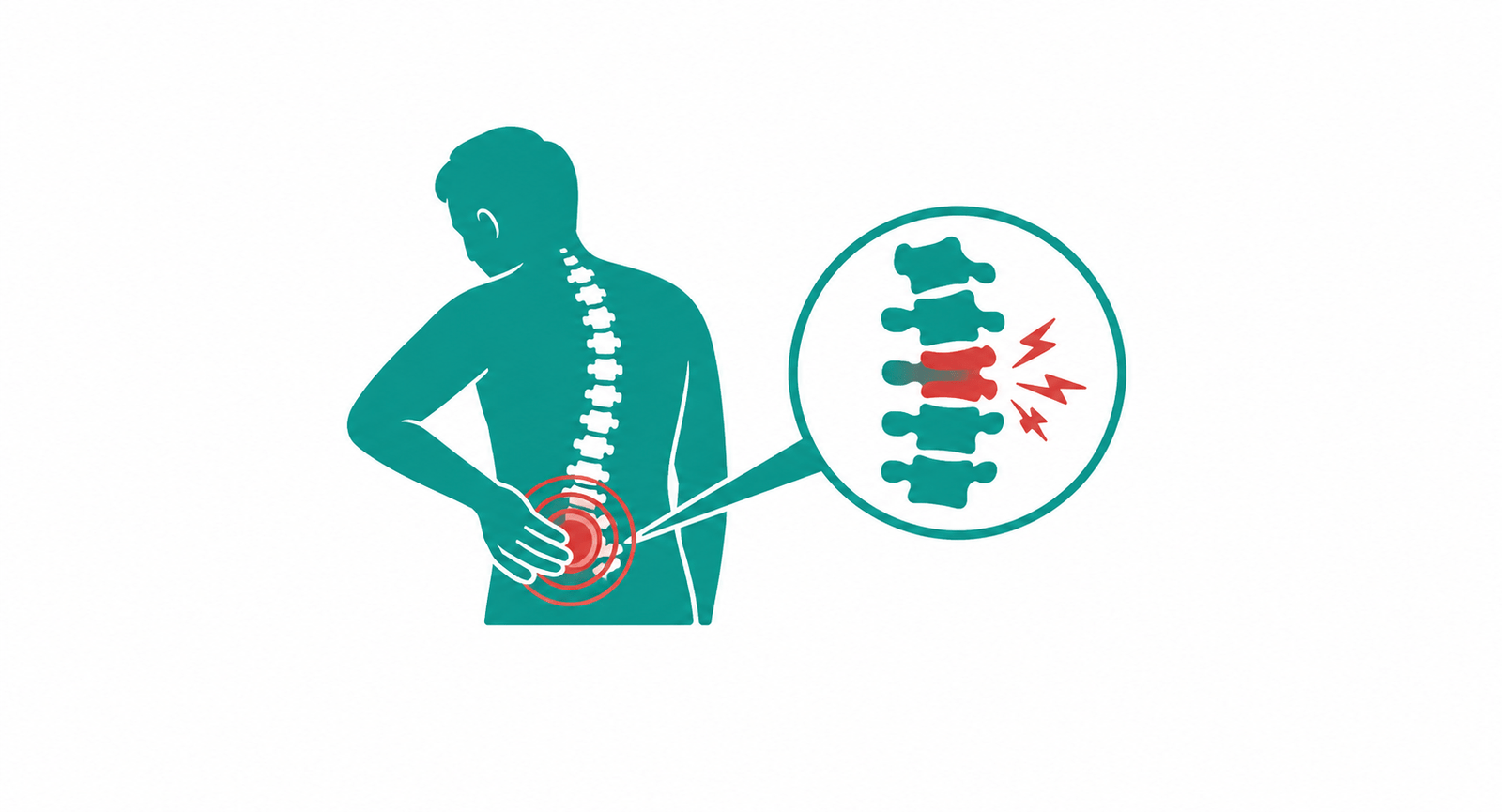
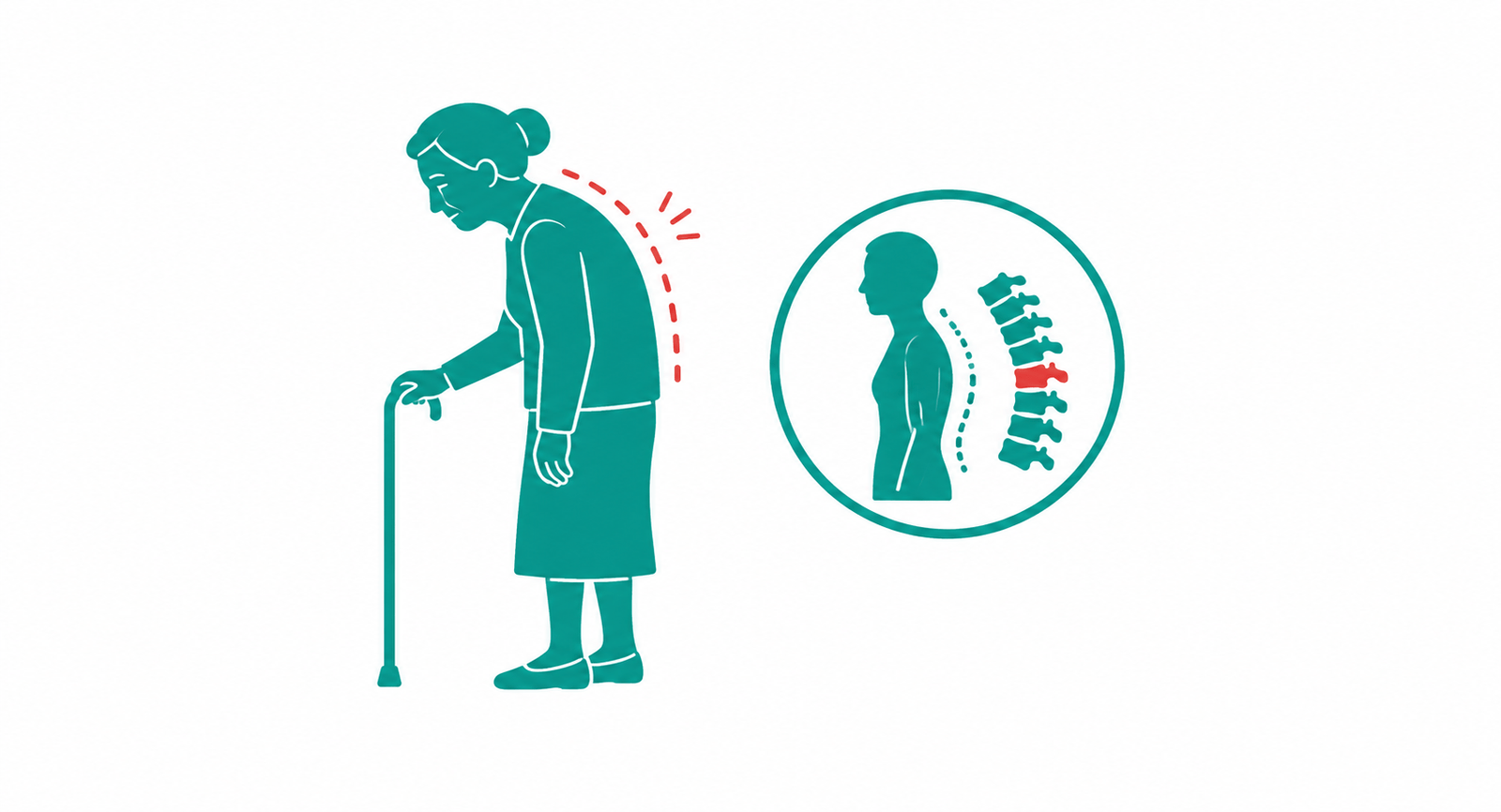
Early osteoporosis may not cause noticeable symptoms, but warning signs can include back pain, loss of height, weakened bones, and fractures from minor falls.
Osteoporosis itself may not directly cause joint pain, but weakened bones and spinal compression fractures can lead to persistent back pain and reduced mobility.